How Body Contouring Farmington Hills Can Help You Love Your Silhouette
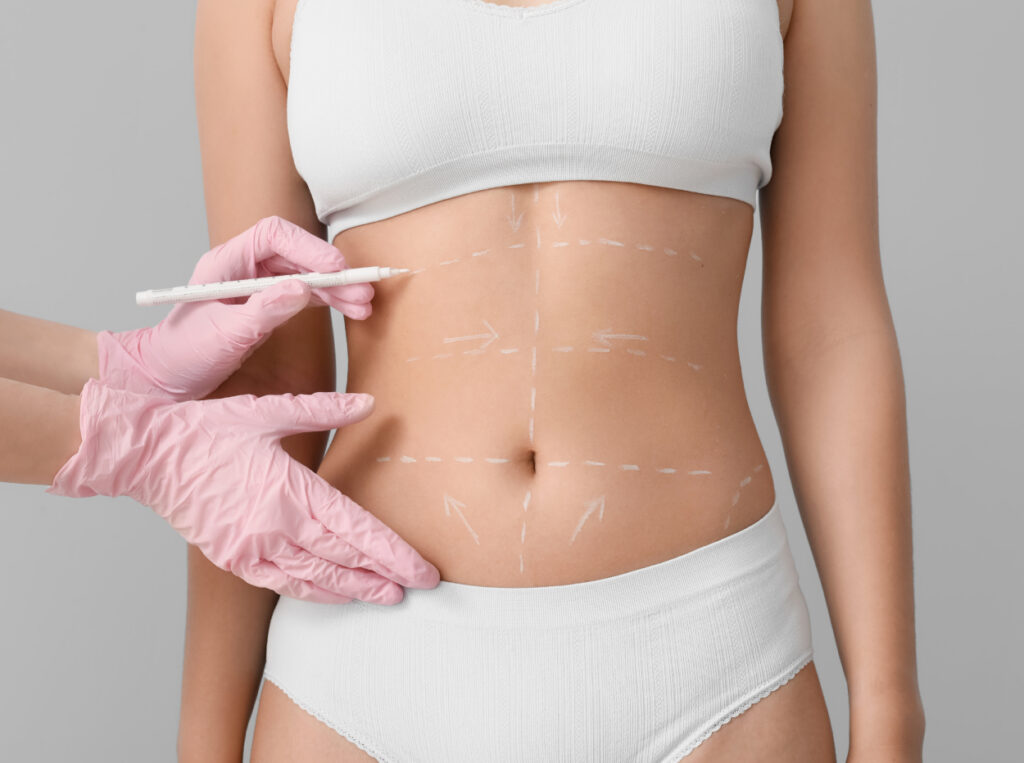


Body image is personal, layered, and rarely as simple as a number on a scale. Many people reach a point where they feel healthy, active, and generally happy with their progress, yet one or two stubborn areas still pull focus every time they look in the mirror. It might be fullness under the chin, soft tissue around the waist, a lower abdomen that did not quite bounce back after pregnancy, or outer thighs that seem resistant to every workout plan. That is where body contouring enters the conversation.
In a place like Farmington Hills, where patients often balance busy careers, family responsibilities, and a strong interest in looking polished without appearing overdone, body contouring tends to appeal for a practical https://jsbin.com/bavoxutone reason. It is not usually about chasing perfection. It is about bringing the outside closer to how someone already feels on the inside. Done thoughtfully, body contouring can refine proportions, improve clothing fit, and restore a sense of ease in your own skin.
What matters most is understanding what body contouring can do, what it cannot do, and how to choose the right path for your goals.
What body contouring actually means
Body contouring is a broad term. It describes treatments designed to reshape or refine the body’s silhouette by reducing localized fat, tightening skin, improving contour irregularities, or combining those goals. Some treatments are nonsurgical, such as cryolipolysis, radiofrequency-based tightening, ultrasound-based procedures, and injectable options used for very specific areas. Others are surgical, including liposuction, tummy tuck procedures, arm lifts, thigh lifts, and lower body lifts.
That range matters because two people can say they want the same thing and need very different solutions. One patient may be close to their ideal weight but bothered by pockets of fat at the flanks that show through fitted dresses. Another may have lost 60 pounds and now deal mostly with loose skin rather than remaining fat. A third may be recovering confidence after having children and feel frustrated that their midsection no longer responds the way it did before. The best treatment plan depends on what is actually creating the concern.
This is why a careful consultation matters more than any trendy device name. The silhouette you want is shaped by fat volume, skin quality, muscle tone, anatomy, age, hormones, and lifestyle. Good body contouring is not one-size-fits-all. It is targeted.
Why people in Farmington Hills seek body contouring
Patients usually do not walk in saying they want a procedure for abstract reasons. They talk about moments. A blazer that pulls strangely at the waist. Jeans that fit in the legs but gap at the back because they had to size up for the abdomen. A vacation photo that catches them at an angle they do not recognize. A wedding, reunion, or career milestone approaching on the calendar. Sometimes it is quieter than that. They simply want to stop adjusting their clothes throughout the day or avoiding certain cuts and fabrics.
The keyword phrase Body Contouring Farmington Hills may bring people to a search bar, but the real motivation is usually confidence in ordinary life. It is not vanity to want your body to feel proportionate to the effort you have already put into caring for it.
There is also a practical side. Farmington Hills patients often ask for options that fit into real schedules. They want to know how many appointments are needed, how much soreness to expect, when they can get back to work, and whether results will look natural. Those are exactly the right questions to ask.
The difference between weight loss and contouring
One of the most common misunderstandings is the idea that body contouring is a substitute for weight loss. It is not. Most contouring treatments are best suited for people who are near a stable, realistic goal weight and want to address specific problem areas. Even surgical options that remove more volume are generally intended to reshape rather than function as primary weight-loss tools.
Think of it this way. Weight loss changes the size of the body overall. Contouring changes the shape. Those goals overlap, but they are not identical.
A patient can lose 20 or 30 pounds and still feel bothered by a lower abdominal pouch, bra-line fullness, or upper arm laxity. Another patient may stay at the same weight for years yet feel far more confident after improving body proportions. The scale might barely move, but clothes fit better, posture changes, and self-conscious habits start to fade.
That distinction is worth respecting because it leads to better expectations. The happiest patients are usually the ones who understand that contouring is refinement, not reinvention.
Common areas people want to improve
Body contouring can target many regions, but some concerns appear again and again in clinical conversations. The abdomen remains the most common, especially when bloating, aging, pregnancy, or weight fluctuation have changed the way the midsection looks. Flanks, often called love handles, are another frequent concern because even modest fullness there can affect the line of pants and dresses.
Thighs matter for both comfort and appearance. Inner thigh fullness can lead to chafing, while outer thigh contour can influence the entire line of the lower body. Upper arms are a common concern for patients who avoid sleeveless clothing. Under the chin, even a small amount of fullness can blur the jawline and create the impression of extra weight.
The back and bra line are often overlooked until someone tries on formalwear or knit fabrics that cling. Knees and calves come up less often, but for the right patient, subtle improvement there can make the entire leg look more balanced.
What is interesting in practice is that the “main issue” patients mention at first is not always the area that most affects their silhouette. A trained eye may see that softening a flank or tightening a lower abdomen creates more harmony than aggressively treating the spot a patient points to first. That is one of the quiet benefits of experienced assessment.
Nonsurgical body contouring, where it shines and where it falls short
Nonsurgical contouring has become popular for a reason. It can be convenient, office-based, and less disruptive than surgery. For the right patient, it can produce visible change with little downtime. The appeal is obvious.
These treatments work best for mild to moderate concerns, especially localized fat deposits and early skin laxity. Someone with a relatively good baseline and a few resistant areas may see a meaningful improvement without needing incisions or anesthesia. If your skin still has decent elasticity, your weight is stable, and your goals are realistic, a nonsurgical option can be a smart fit.
But it helps to be honest about limits. Nonsurgical treatments usually deliver subtler results than surgery. Improvement often builds gradually over weeks or months, and more than one session may be needed. If there is significant loose skin, stretched abdominal muscle, or larger-volume fat reduction needed, a device alone may disappoint.
This is where careful guidance matters. A reputable provider should be comfortable saying, “You can do this treatment, but I do not think it will get you where you want to go.” That kind of candor saves patients time, money, and frustration.
Surgical contouring, when precision matters more than convenience
Surgical body contouring remains the gold standard for certain goals. Liposuction can remove stubborn fat with greater precision and more dramatic shaping than nonsurgical methods. Tummy tuck procedures can address loose skin and separated abdominal muscles, something no external device can truly replicate. Arm and thigh lifts can remove excess skin after major weight loss when contour, not just fat reduction, is the real issue.
Surgery asks more of the patient. There is a recovery period, activity restrictions, swelling, and a higher upfront commitment. There are scars, even when placed thoughtfully. Yet for the right person, surgery can solve in a single treatment what repeated nonsurgical sessions may only partially improve.
This is one of those trade-offs that deserves plain language. If your goals are substantial and your tolerance for downtime is low, those priorities may conflict. It is better to recognize that tension early than to chase a less invasive option that cannot deliver enough change.
How a consultation should feel
A strong consultation should feel collaborative, not sales-driven. You should leave with a clearer understanding of your anatomy, the realistic range of outcomes, and the difference between what is possible and what is advisable.
A good provider will usually assess several factors at once:
- The amount and location of excess fat
- Skin elasticity and degree of laxity
- Muscle tone, especially in the abdomen
- Your medical history and recovery tolerance
- The timeline and budget you have in mind
That conversation often reveals more than patients expect. For example, someone may come in wanting treatment for the lower belly when the real issue is a combination of mild skin laxity and posture. Another person may assume they need surgery when they are actually a strong candidate for a less invasive option. The point of consultation is not to force a treatment. It is to match the treatment to the problem.
If you are searching for Body Contouring Farmington Hills providers, look for clinicians who explain trade-offs clearly. A polished office matters less than whether the recommendations make sense for your body and your priorities.
The emotional side of silhouette changes
There is a practical outcome to body contouring, and there is an emotional one. The practical side is easy to describe. Waistbands sit flatter. Dresses skim instead of cling. Sleeves feel less restrictive. Pictures become less stressful. The emotional side is harder to quantify, but it is often the part patients remember most.
Confidence does not usually arrive as one dramatic moment. More often, it returns in small ways. A patient buys clothes because she likes them, not because they disguise an area. Someone wears a tucked-in shirt for the first time in years. A man notices that his profile looks stronger in work photos after reducing fullness under the chin. These changes sound minor until you realize how much daily mental space body dissatisfaction can occupy.
That said, body contouring is not a cure for deep self-esteem struggles. Experienced providers know the difference between a healthy desire for refinement and a level of dissatisfaction no procedure will solve. The goal should be feeling more at ease, not becoming preoccupied with endless correction.
Timing matters more than people expect
Patients often focus on the treatment itself and forget how much timing influences the experience. If your weight has been fluctuating, it is usually wiser to stabilize before treatment. If you are planning pregnancy, major surgery, or a significant fitness push, those future changes should factor into the plan. Even seasonal timing can matter. Some patients prefer cooler months when compression garments or post-procedure swelling are easier to manage under looser clothing.
Special events deserve their own caution. If you want to look your best for a wedding, vacation, or reunion, start earlier than you think you need to. Swelling can linger. Nonsurgical treatments can take time to show final effects. Even when recovery is straightforward, the body does not always follow the calendar perfectly.
In practice, the patients who feel least stressed are those who plan with margin. They are not trying to schedule a body treatment around a red-carpet deadline two weeks away.
What recovery and results really look like
The phrase “minimal downtime” gets used loosely in aesthetics. For some people, minimal means returning to work the next day with mild soreness. For others, it means they can technically work but would rather not be seen in fitted clothing for a week. Recovery depends on the treatment, the area treated, and your own threshold for swelling or discomfort.
Even simple contouring can come with temporary tenderness, numbness, bruising, compression, or visible swelling. Surgical recovery adds more layers, including activity restrictions and a longer period before final shape settles. Results are rarely immediate in the way people imagine. Some procedures show an early change, then swell, then refine. Others improve gradually as the body clears treated fat cells or remodels collagen.
One of the most helpful mindset shifts is to judge results at the right time point. Too many patients inspect the mirror daily and decide too early that nothing is happening. The body contours itself on biological time, not emotional time.
Who tends to be happiest with body contouring
The most satisfied patients are not always the thinnest, youngest, or most procedure-savvy. They are usually the ones whose expectations line up with the treatment’s actual strengths. They understand that contouring can improve shape but not replace exercise, erase all asymmetry, or freeze the aging process.
They also tend to share a few habits. They maintain a stable weight, follow aftercare instructions, and think in terms of proportion rather than flaw elimination. They are looking for meaningful improvement, not mathematical perfection.
A realistic self-assessment can help. You are probably a strong candidate if you recognize yourself in most of these statements:
- your weight has been fairly stable for several months
- you have a specific contour concern rather than a general wish to lose a lot of weight
- you understand that results may be gradual or require recovery time
- you are prepared to maintain your outcome with long-term habits
- you want to look like a refined version of yourself, not like someone else
That last point matters. The best body contouring does not advertise itself. It simply makes the body look more balanced.
Choosing a provider in Farmington Hills with good judgment
Credentials matter, but judgment matters just as much. A provider can have the right letters after their name and still recommend treatments too aggressively, promise too much, or overlook whether the plan suits your anatomy. On the other hand, a thoughtful clinician may save you from expensive detours by steering you toward the option that actually matches your goals.
When evaluating a provider for Body Contouring Farmington Hills, pay attention to how they communicate. Do they listen before advising? Do they explain why one option fits better than another? Are before-and-after discussions nuanced, or overly polished and vague? Do they talk about skin quality, muscle tone, and maintenance, or just package pricing?
You should also notice whether the consultation leaves room for “not now.” Sometimes the best recommendation is to finish weight loss first, strengthen the core, improve nutrition, or wait until after childbirth. Ethical advice is rarely the fastest route to a sale, but it is often the clearest sign you are in capable hands.
The role of maintenance after treatment
Body contouring can create a shape change, but your day-to-day habits still influence longevity. Treated fat cells may be reduced or removed, yet remaining fat cells can still enlarge if weight increases significantly. Skin quality continues to evolve with age, hormones, sun exposure, and genetics. Surgical contouring can reset a problem, but it does not stop time.
This does not mean you need a perfect lifestyle to protect your results. It means consistency matters more than intensity. Reasonable movement, stable eating patterns, hydration, and avoiding large weight swings tend to support the best long-term outcomes. Patients who view contouring as part of an overall self-care strategy, rather than a shortcut, usually feel happiest years later.
There is also value in restraint. Not every small future change needs another treatment. Sometimes the confidence boost from body contouring comes from finally stepping out of hyperfocus and feeling comfortable enough to live normally.
Loving your silhouette without chasing perfection
There is a healthy middle ground between body dissatisfaction and impossible aesthetic standards. Body contouring can help people find that middle ground. It can smooth a contour that has bothered you for years, restore balance after life changes, and let your clothes and posture reflect the effort you already put into your health.
Loving your silhouette does not mean thinking your body is flawless. It means feeling less at war with it. It means your attention can move from hiding and adjusting to simply getting on with the day. For many people in Farmington Hills, that shift is the real result they are after.
When body contouring is chosen carefully, performed appropriately, and grounded in realistic expectations, it can be a powerful tool. Not because it changes who you are, but because it helps your shape feel more aligned with the life you are already living.
Aesthetic Plastic Surgery & Laser Center, Michelle Hardaway M.D.
Address: 27920 Orchard Lake Rd, Farmington Hills, MI 48334
Phone number: +12482211957
FAQ About Body Contouring Farmington Hills
What does body contouring actually do?
Body contouring (or body sculpting) eliminates stubborn localized fat, tightens loose, sagging skin, and reshapes your silhouette. It is not a weight-loss tool, but rather a cosmetic procedure used to refine and tone specific trouble spots after major weight loss, pregnancy, or aging.
How much does body contouring usually cost?
The total cost of body contouring usually ranges from $2,000 to $25,000+ depending entirely on whether you choose non-surgical sessions or major surgical procedures.
Because "body contouring" covers everything from simple fat-freezing to comprehensive post-weight-loss surgeries, pricing is heavily categorized by the method used.
What is the best type of body contouring?
Liposuction is a huge topic and worth discussing in more detail, but in terms of body contouring and sculpting, nothing does the job better than liposuction, particularly VASER liposuction.